Technical
Reference Ceilings: 5, 9, 10, 15, 20 or 50 Images, and Why More Is Not More Control
· RenderBob team
Every new video model now advertises a reference-image limit, from 5 to 50. The limit tells you what the interface accepts, not what the model can hold.
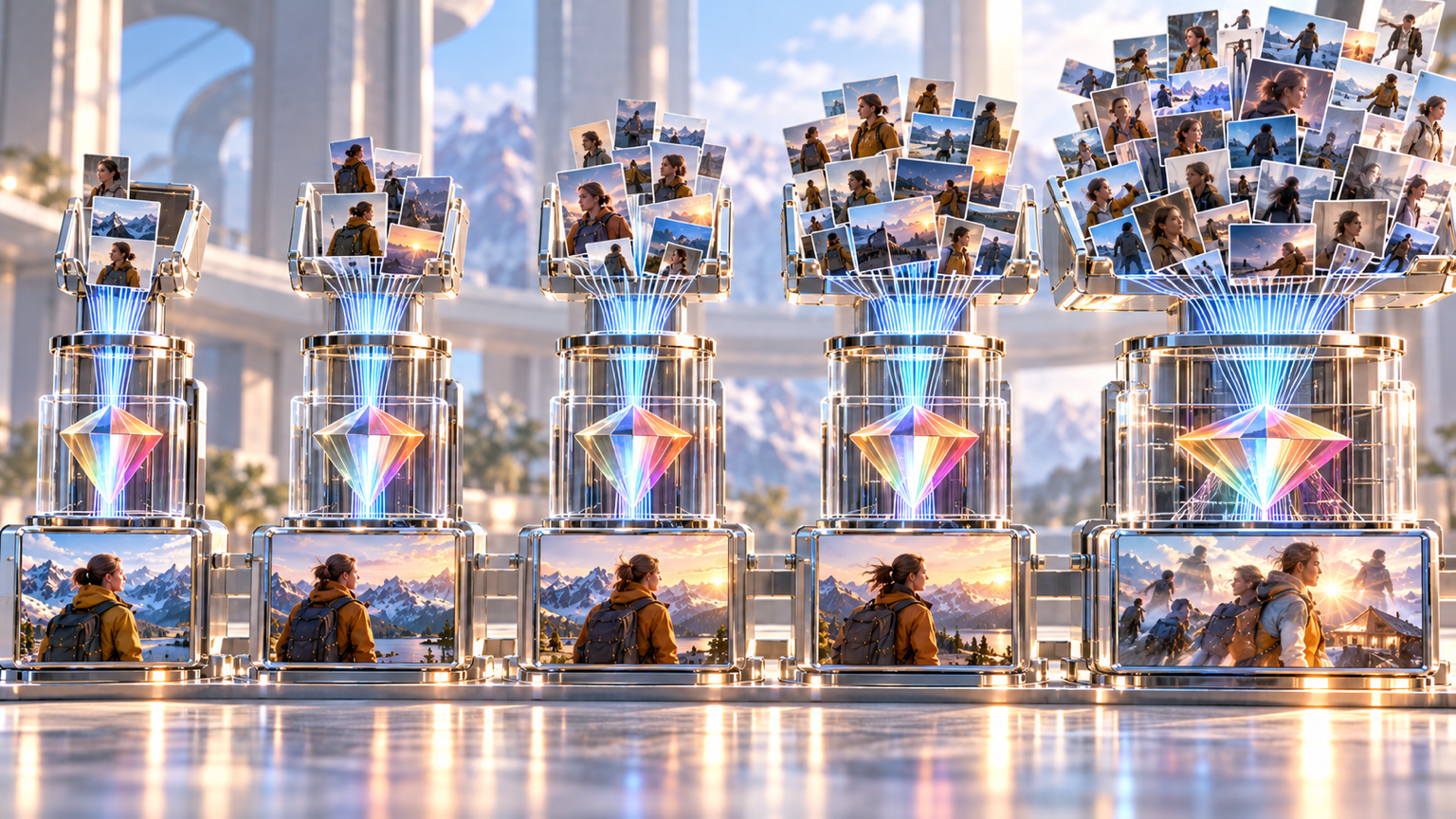
Every new video model now advertises a reference-image limit, and the numbers range from 5 to 50. The limit tells you what the interface accepts. It does not tell you how many references the model can hold at once.
The numbers as reported
These are the ceilings reported in launch coverage and vendor material over recent weeks. Treat each as a company claim until you have tested it on your own material.
- Gemini Omni Flash: 5 photos
- HappyHorse 1.1: 9 references
- FLUX 3, stills: 10 references
- Kling 4.0: 15 references in total
- Wan 3.0: 20 references, as covered in our earlier piece
- Seedance 2.5: up to 50 references, in our Seedance article this week
Why the ceiling is a poor buying signal
A reference slot can hold a face, a costume, a prop, a location, a lighting mood, or a camera move. A model with 50 slots has to decide how much weight each gets, and the sources we reviewed do not publish how that weighting works. In practice, adding references tends to create competition between them. A fifth costume reference can dilute the first. Our earlier prompting-with-references piece made the same point at smaller scale: a few clear, non-conflicting references beat a pile.
Hold the subjects fixed
Pick one character, one location, and one prop.
Generate the same shot at four counts
Generate the same shot with 1, 3, 6, and then your maximum number of references, keeping the prompt fixed.
Score three things separately
Score identity consistency, prop accuracy, and prompt adherence separately on a simple 1–5 scale.
Keep the peak, not the ceiling
Note where quality peaks. That number, and not the advertised ceiling, is your working limit for that model.
Where the large ceilings help
Long-form work is the case for big limits. A 30-second shot with several characters and a set needs more anchors than a 5-second single-subject clip. If a model offers both a high ceiling and long duration, the two features are meant to be used together. Short clips with few subjects rarely need more than a handful.
What to watch
Independent comparisons that vary reference count the way the test above does. Vendors tend to publish best-case examples. Third-party tests that show where quality degrades will be more useful than any new ceiling announcement.
More from the blog
- Nano Banana 2.1: 14 References, Three Thinking Levels, and Targeted Edits for Storyboards
Google's Nano Banana 2.1 accepts up to 14 reference images and adds a medium thinking level. Artlist also describes edits that change a named area instead of redrawing the frame.
- Odyssey-3 and Interactive World Models: What They Are, and What They Are Not Yet Good For in Production
Odyssey opened a public research preview of Odyssey-3 on 8 October. You move through a generated scene, which is a different planning job from ordering a finished clip.